관광산업의 최신 트렌드와 심층적인 인사이트를 제공하여 성공적인 비즈니스와 여행 경험을 선도합니다.
분단의 역사 속에서 형성된 비무장지대
분단의 시작부터 현재까지, 시간의 흐름으로 이해하는 DMZ
분단의 시작부터 현재까지, 시간의 흐름으로 이해하는 DMZ
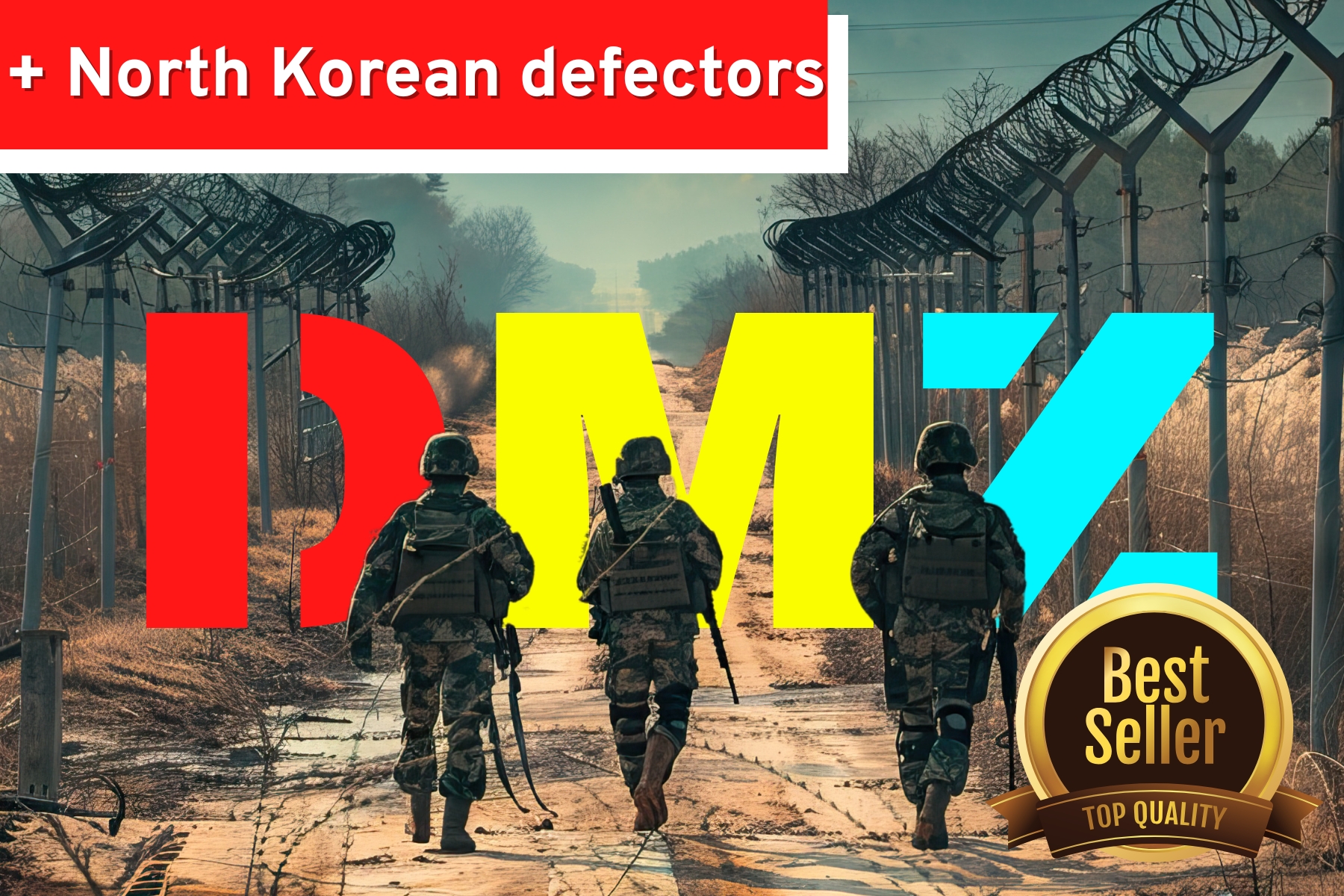
비무장지대(DMZ)는 한반도의 분단 현실을 가장 직접적으로 보여주는 공간입니다.
이곳은 군사 경계선에 머무는 장소가 아니라, 전쟁과 정전, 냉전 질서, 그리고 평화를 향한 논의가 함께 이어져 온 역사적 공간입니다.
DMZ를 이해하기 위해서는
이 지역이 어떤 배경에서 만들어졌고, 시간이 흐르면서 어떤 의미를 갖게 되었는지를
연대의 흐름 속에서 살펴보는 것이 중요합니다.
-
The Demilitarized Zone Shaped by the History of Division
Understanding the DMZ Through the Timeline of Korea’s Division
The Demilitarized Zone (DMZ) is the space that most directly represents the reality of division on the Korean Peninsula.
It is not merely a military boundary, but a historical space formed through overlapping phases of war, armistice, Cold War dynamics, and ongoing efforts toward peace.
To understand the DMZ accurately, it is essential to examine when and under what international and political circumstances it was created, and how its role and significance have evolved over time through a chronological perspective.
[DMZ 형성의 역사적 흐름 - The Historical Formation of the DMZ ]

1945년 | 해방 이후 국제 질서 편입
일본의 패전으로 한반도는 해방되었지만,
미군과 소련군이 주둔하면서 남과 북으로 나뉘는 역사가 시작되었습니다.
-
1945 | Liberation and Integration into the Cold War Order
Following Japan’s defeat in World War II, the Korean Peninsula was liberated. However, the presence of U.S. and Soviet military forces led Korea to be incorporated into the emerging Cold War order. From this point, administrative and military division between the South and the North began.
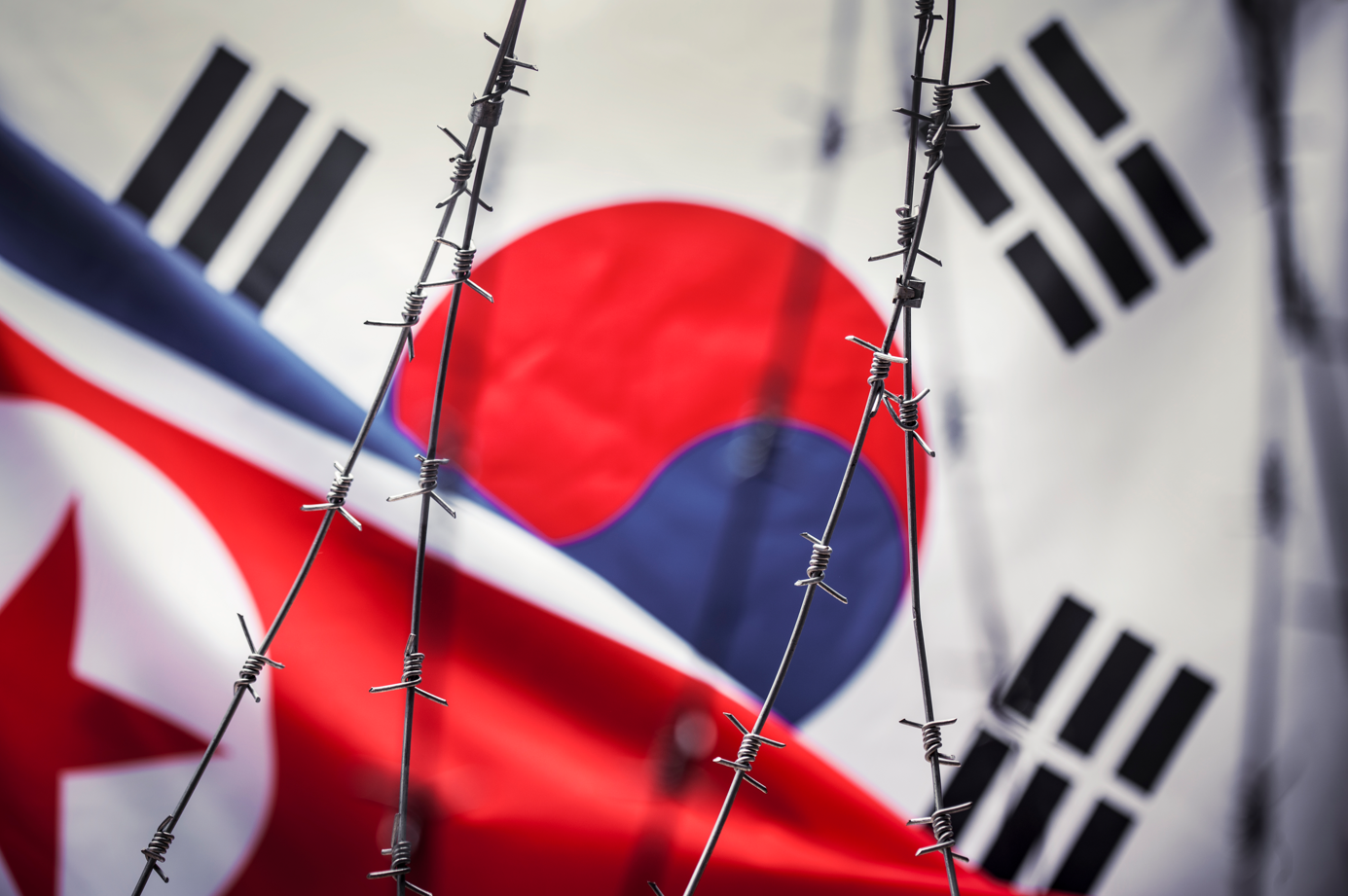
1948년 | 남북 체제의 분리 확정
남한과 북한에 각각 정부가 수립되며,
서로 다른 정치와 이념을 가진 체제가 자리 잡게 되었습니다.
-
1948 | Consolidation of Separate Political Systems
With the establishment of separate governments in South and North Korea, the division shifted from a temporary condition to a structurally entrenched system in which two distinct political and ideological regimes coexisted.
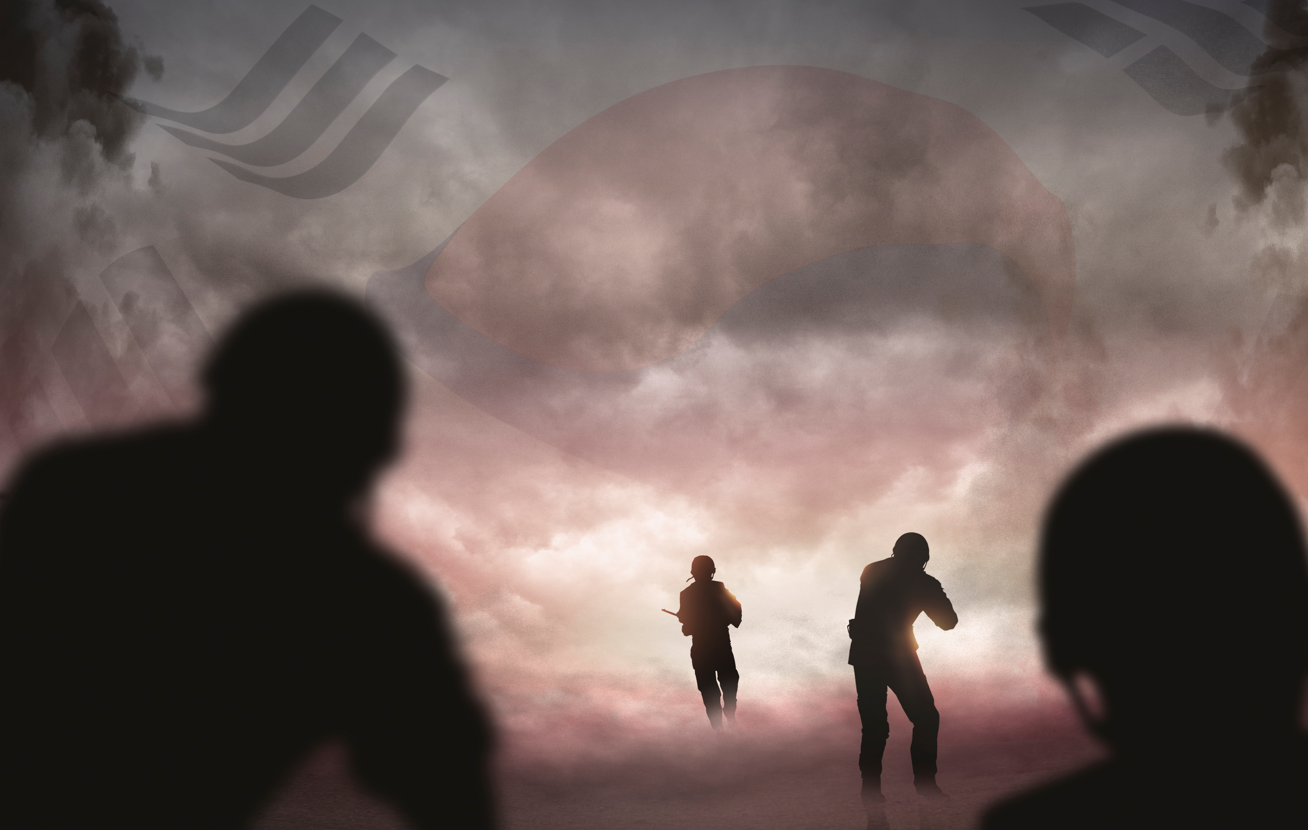
1950–1953년 | 한국전쟁과 분단의 고착
1950년 발발한 한국전쟁은 약 3년간 이어졌으며,
한반도 전역에 큰 피해를 남겼습니다.
이 전쟁을 계기로 분단은 되돌리기 어려운 현실로 이어졌습니다.
-
1950–1953 | The Korean War and the Entrenchment of Division
The Korean War, which began on June 25, 1950, lasted for nearly three years and caused extensive human and material devastation across the peninsula. The war became the decisive factor that solidified division as an irreversible reality.
1953년 | 정전협정과 비무장지대 설정
1953년 7월 27일 정전협정 체결 이후 군사분계선을 기준으로 남북이 각각 2km씩 물러나며
총 길이 약 248km의 비무장지대가 만들어졌습니다.
이곳은 군사적 완충지대로 설정되었습니다.
-
1953 | Armistice Agreement and the Creation of the DMZ
Following the signing of the Armistice Agreement on July 27, 1953, both sides withdrew their forces 2 kilometers from the Military Demarcation Line. This created a buffer zone approximately 248 kilometers long, officially designated as the Demilitarized Zone (DMZ).
Under international law, the DMZ was defined as a military buffer zone.
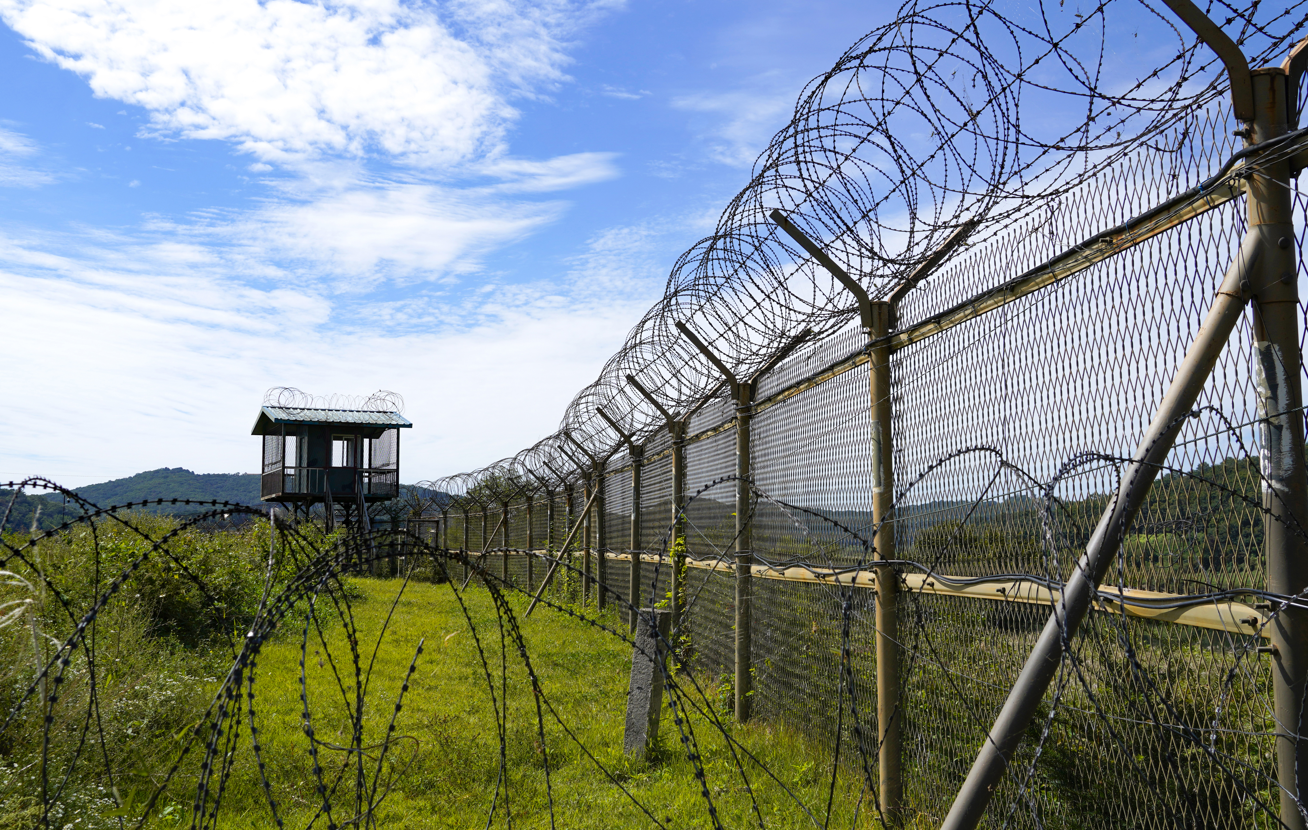
1950년대 이후 | 민간인통제선 도입
DMZ 남측 약 10km 지점에 민간인통제선이 설정되면서
일반인의 출입이 제한되었습니다.
분단의 영향은 군사 지역을 넘어 생활 공간까지 이어졌습니다.
-
From the 1950s Onward | Establishment of the Civilian Control Line
A Civilian Control Line (CCL) was established approximately 10 kilometers south of the DMZ, restricting civilian access. The effects of division extended beyond military zones into everyday civilian life.
1960년대 이후 | 군사적 긴장의 상시화
군사 충돌과 침투 사건이 이어지며
DMZ 주변에는 병력이 집중 배치되었습니다.
이 시기 DMZ는 긴장이 이어지는 경계 지역으로 자리 잡았습니다.
-
From the 1960s Onward | Permanent Military Tension
Repeated armed infiltrations and military incidents led to concentrated troop deployments in areas adjacent to the DMZ. During this period, the DMZ functioned not merely as a symbolic boundary but as a zone of sustained military tension.
1988년 | DMZ의 정책적 전환 논의
노태우 정부는 DMZ를 평화적으로 활용하려는 논의가 시작되며
이 공간을 바라보는 시선이 점차 변화되었습니다.
-
1988 | Policy Discussions on the DMZ
The Roh Tae-woo administration officially proposed the peaceful utilization of the DMZ, marking a shift in perception—from a purely military space to a subject of policy and diplomatic discussion.
1991년 | 남북 기본합의서 채택
남북 간 긴장을 완화하고 교류를 확대하기 위한
기본적인 틀이 처음 마련되었습니다.
-
1991 | Adoption of the Inter-Korean Basic Agreement
For the first time, an institutional framework was established to reduce tensions, promote non-aggression, and facilitate exchange and cooperation between the two Koreas.
1990년대 후반–2000년대 | 제한적 교류와 협력
금강산 관광과 개성공단 등 다양한 협력이 이루어지며
DMZ는 갈등과 협력이 함께 나타나는 공간으로 변화했습니다.
-
Late 1990s–2000s | Limited Engagement and Cooperation
Initiatives such as Mount Kumgang tourism, railway reconnections, and the establishment of the Kaesong Industrial Complex positioned the DMZ as a space where confrontation and cooperation coexisted, testing new functional roles for the region.
2010년대~현재 | 변화된 정세 속 DMZ의 현재적 의미
남북 교류 사업이 중단되며 군사적 긴장은 다시 높아졌지만, 동시에 DMZ를 평화와 공존의 가능성을 상징하는 공간으로 바라보려는 국내외 논의는 지속되고 있습니다.
오늘날 DMZ는 과거의 분단을 보여주는 동시에, 미래를 향한 해석이 공존하는 공간으로 남아 있습니다.
-
2010s–Present | The Contemporary Meaning of the DMZ Amid Changing Circumstances
With the suspension of inter-Korean exchange projects, military tensions once again intensified. At the same time, domestic and international discussions have continued to reinterpret the DMZ as a symbolic space for peace and coexistence.
Today, the DMZ remains a place where the legacy of division and interpretations of the future coexist.
DMZ: 한반도의 역사와 국제 질서를 읽는 공간
DMZ와 같은 공간은 세계적으로도 드문 사례입니다.
이곳에는 한반도의 현대사와 국제 질서,
냉전 구조와 평화에 대한 논의가 하나의 공간에 함께 담겨 있습니다.
오늘날 DMZ는
긴장과 대화, 단절과 협력의 가능성이 동시에 존재하는 장소로,
한반도의 현실을 가장 입체적으로 보여주고 있습니다.
-
The DMZ: A Space That Reflects Korean History and the International Order
No other place in the world resembles the DMZ.
It is a geographic space in which modern Korean history, the international order, Cold War structures, and peace-oriented discourse are concentrated into a single location.
Today’s DMZ stands as a space where tension and dialogue, separation and the potential for cooperation exist simultaneously—offering the most comprehensive reflection of the realities of the Korean Peninsula