관광산업의 최신 트렌드와 심층적인 인사이트를 제공하여 성공적인 비즈니스와 여행 경험을 선도합니다.
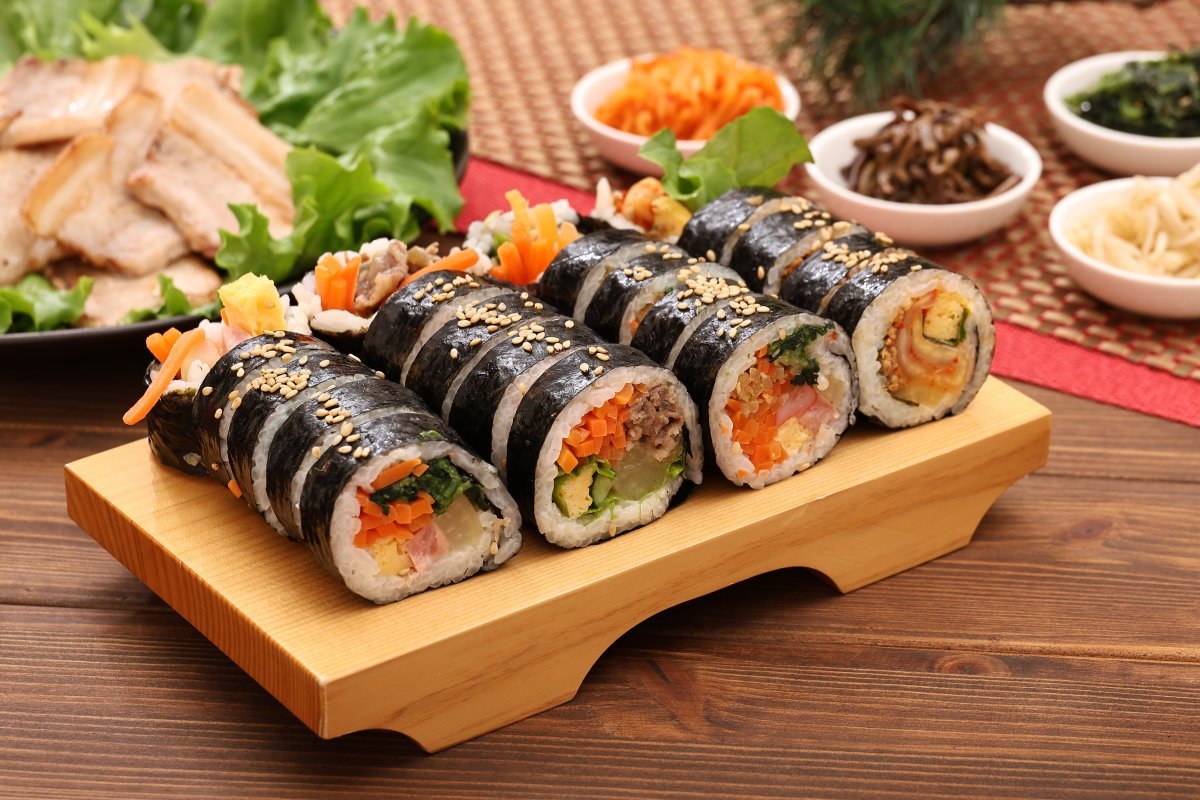
How to Make Kimbap
Korean Seaweed Rice Roll
A step-by-step recipe guide for beginners
About This Dish
What Is Kimbap (김밥)?
Kimbap (also spelled Gimbap, the official romanization) is Korea's ultimate everyday food. Fluffy seasoned rice and colorful fillings are wrapped in a crisp sheet of roasted seaweed and sliced into neat, bite-sized rounds. Fresh, light, and endlessly customizable -- it is a staple at Korean picnics, school lunchboxes, and convenience stores across the country. Unlike sushi, kimbap uses sesame oil instead of vinegar and is enjoyed at room temperature, making it perfect for eating on the go. Once you learn to roll it, you'll be making it on repeat.
A bamboo rolling mat (gimbap mat) · A sharp knife · A frying pan · A pot for blanching · A large mixing bowl
Ingredients
What You Need (2 Rolls)
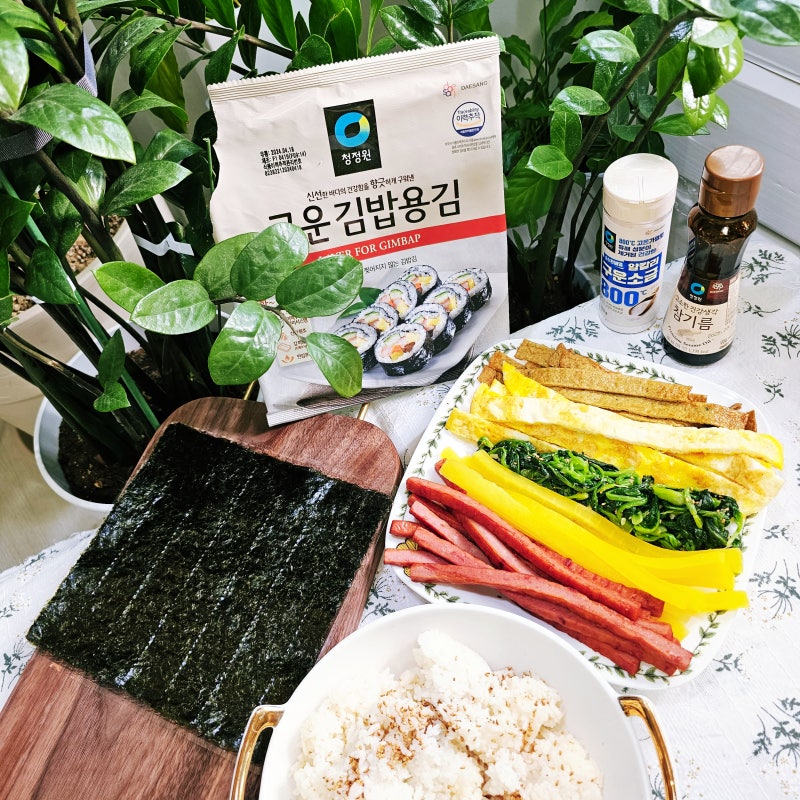
All ingredients needed for a classic kimbap recipe
| Ingredient | Note | Amount |
|---|---|---|
| Cooked rice | Short-grain white rice works best. Cook slightly firmer than usual -- soft mushy rice is hard to roll and spread. | 2 cups approx. 400g |
| Seaweed sheets (Gim) |
Full-size roasted seaweed sheets for kimbap. Look for "김밥용 김" at Asian stores. Not the small snack-size sheets. | 2 sheets |
| Carrot | Peeled and cut into thin matchsticks (julienned). Stir-fried briefly before use. | 1/2 medium |
| Spinach | Fresh or frozen. Blanched in boiling water for 30 seconds, then squeezed dry and lightly seasoned. | 100g |
| Egg | Beaten with a pinch of salt. Cooked into a thin flat omelette, then sliced into long strips. | 2 eggs |
| Ham or tuna | Ham: slice into long 1cm strips. Canned tuna: drain well and season lightly with salt. | 100g |
| Sesame oil | Mixed into the rice for fragrance. Do not skip -- this is what gives kimbap its signature aroma. | 1 tbsp |
| Salt | Used to season the rice and the fillings. | a pinch |
Before You Roll
Prepare Your Fillings
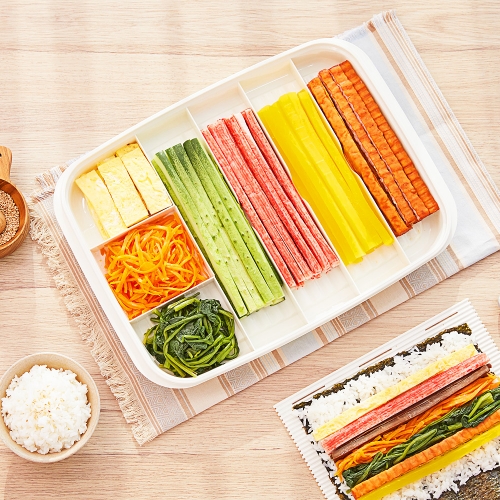
Prepare all fillings before you start rolling for a smooth process
Carrot
Heat a little oil in a pan. Add julienned carrot with a pinch of salt. Stir-fry for 2 to 3 minutes until slightly soft. Set aside to cool.
Spinach
Boil in salted water for 30 seconds. Rinse immediately under cold water. Squeeze out all excess moisture. Season with a drop of sesame oil and a pinch of salt.
Egg
Beat 2 eggs with a pinch of salt. Cook over low heat in a lightly oiled pan into a thin, flat omelette. Let it cool completely, then cut into long strips.
Rice
While rice is still warm (not hot), mix in 1 tbsp of sesame oil and a pinch of salt. Fold gently. Let it cool slightly before spreading.
Step by Step
How to Make Kimbap
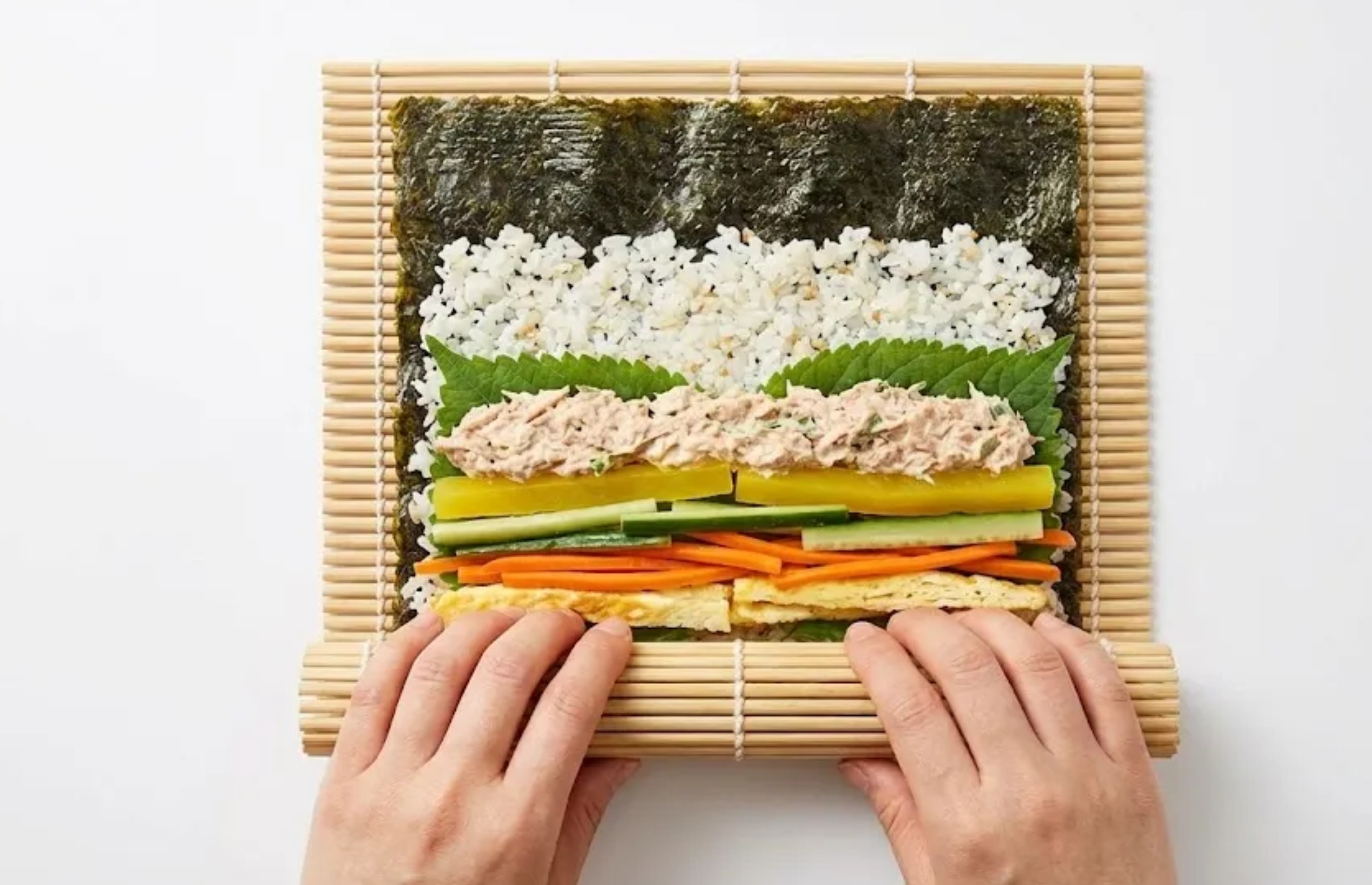
Roll firmly and evenly -- a tight roll makes for cleaner slices
Lay out the seaweed
Place a seaweed sheet on your bamboo mat with the shiny side facing down. The rough side faces up -- rice sticks to it better. Make sure the mat is on a flat, stable surface.
Spread the rice
Take about 1 cup of seasoned rice and spread it evenly over the seaweed using a spoon or wet fingers. Keep the layer thin -- about 5mm thick. Leave a 2 to 3cm gap at the top edge of the seaweed. This gap is what seals the roll.
Add the fillings
Arrange the carrot, spinach, egg strips, and ham in a horizontal line across the center of the rice. Keep the fillings in one neat line -- don't spread them out. Less is more here. Overfilling makes the roll hard to close and messy to slice.
Roll it up
Lift the bottom edge of the bamboo mat and fold it over the fillings. Press gently but firmly as you roll, shaping the roll with your hands through the mat. Keep the tension even from left to right as you go.
Seal and shape
When you reach the top edge, wet your fingertip with a little water and run it along the seaweed flap to seal the roll. Press the roll gently on all sides through the mat to firm up the shape. Hold for a few seconds.
Slice and serve
Using a sharp knife, slice the roll into rounds about 1.5cm thick. Wipe the blade with a damp cloth between each cut -- this prevents rice from sticking and gives you clean, neat edges. Repeat with the second roll.
Chef's Tips
Let the rice cool slightly: Hot rice makes the seaweed go soggy before you even start rolling. Warm is perfect -- not hot, not cold.
Wet knife, clean cuts: Wipe your knife blade with a damp cloth before each slice. This gives you smooth, picture-perfect rounds without the roll falling apart.
No bamboo mat? You can roll kimbap by hand directly. The shape might not be perfect at first, but it tastes just as good.
Make it vegan: Skip the egg and ham. Fill with seasoned tofu, avocado, cucumber, or pickled radish (danmuji). Vegan kimbap is just as colorful and satisfying.
Lighter option: Swap white rice for brown rice and increase the proportion of vegetables. You keep all the flavor with fewer calories.
Video Guide
Watch How to Make It
Full recipe walkthrough · Subtitles available
FAQ
Frequently Asked Questions
What is the difference between kimbap and sushi?
Kimbap and sushi look similar but taste quite different. Sushi uses vinegar-seasoned rice and is typically served with raw fish. Kimbap uses sesame oil-seasoned rice and is filled with cooked ingredients like egg, vegetables, and ham. Kimbap also has a warmer, nuttier flavor and is usually eaten at room temperature rather than chilled.
Is kimbap healthy?
Kimbap is one of the more balanced Korean street foods. A single roll contains rice for carbohydrates, vegetables for fiber and vitamins, and egg or ham for protein -- all in one convenient package. For a lighter version, use brown rice and increase the ratio of vegetables to rice.
How long does kimbap last after making it?
Kimbap is best eaten on the day it is made. The seaweed softens over time and the rice can dry out. If you need to store it, wrap tightly in plastic wrap and refrigerate for up to one day. Do not freeze kimbap -- the texture of the rice and vegetables will deteriorate.
Can I make kimbap without a bamboo mat?
Yes. You can roll kimbap by hand directly without any mat. It takes a little practice to get an even, tight roll, but the result tastes exactly the same. Just use your palms and fingers to shape and press the roll as you go.
What fillings can I put in kimbap?
The classic fillings are carrot, spinach, egg, and ham or tuna. But kimbap is very flexible -- you can use cucumber, avocado, crab sticks, bulgogi (Korean beef), kimchi, or cheese. The only rule is to make sure fillings are not too wet, as excess moisture will make the seaweed soggy.
Can I make vegan kimbap?
Absolutely. Simply skip the egg and ham and replace them with ingredients like seasoned tofu, avocado, pickled radish (danmuji), cucumber, or roasted mushrooms. Vegan kimbap is colorful, fresh, and just as delicious as the original version.
Is kimbap good for a diet?
Kimbap is relatively low in fat and contains a good balance of nutrients. For a lighter version, reduce the amount of rice per roll, swap white rice for brown rice, and load up on vegetables. Two or three pieces make a satisfying snack without being too heavy.
Taste the Real Thing in Seoul Now you know how to make kimbap at home. If you'd like to experience authentic Korean street food on the streets of Seoul, Cosmojin's local experts are ready to take you there.
Explore Seoul Tours